Maximize Efficiency: Top Data Center Facility Operations Services for Optimal Performance
Enhancing efficiency in data centers is vital for organizations looking to improve performance. Top Data Center Infrastructure Management (DCIM) services supply essential instruments for continuous monitoring and insights. Solutions from ServiceNow, Sunbird, Schneider Electric, and Nlyte distinguish themselves in this sector. These services not only keep track of equipment but also enhance resource management. Understanding how to identify the right DCIM solution can produce significant advances. What criteria should organizations take into account to make an well-informed selection?
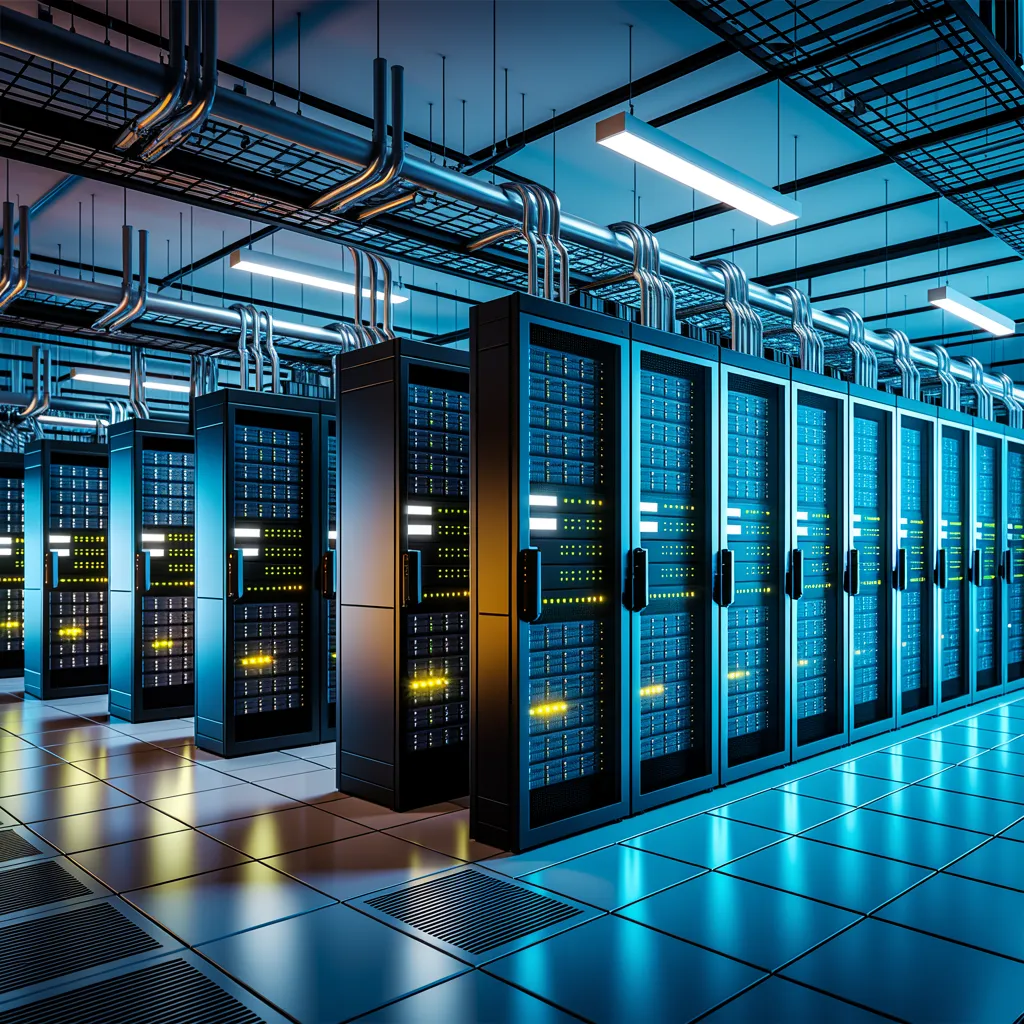
Best DCIM Solutions for 2023
As institutions increasingly rely on data centers to back their operations, pinpointing the finest Data Center Infrastructure Management (DCIM) tools for 2023 remains vital. Leading DCIM services offer thorough packages designed to enhance resource management, improve operational efficiency, and confirm robust monitoring capabilities. Notable contenders in the market include ServiceNow, acclaimed for its integration capabilities, and Sunbird, which demonstrates excellence in real-time visualization and reporting. Additionally, Schneider Electric supplies a powerful platform for energy management and asset tracking.
Another important competitor, Nlyte, focuses on enhancing data center efficiency through sophisticated analytics. These solutions not only enable better strategic choices but also assist with predicting future needs. As data requirements continue to grow, selecting a DCIM service that offers flexibility and versatility is essential. Ultimately, companies must assess their particular requirements to select the most appropriate DCIM service, guaranteeing peak efficiency and dependability in their data management strategies.
Exploring server facility Infrastructure administration (DCIM)
Data Center Infrastructure Management (DCIM) encompasses a suite of tools and practices designed to monitor, manage, and optimize data center assets. By integrating IT and infrastructure oversight, DCIM provides thorough insight into the performance and utilization of critical assets. This approach facilitates immediate information gathering, allowing operators to make informed decisions regarding energy consumption, cooling efficiency, and area allocation.
DCIM implementations often supply capabilities including asset tracking, resource planning, and environmental monitoring, which mutually elevate business performance. They allow data center managers to recognize impediments, streamline workflows, and reduce financial burden. Moreover, DCIM supports business planning for future expansions and helps organizations to comply with regulatory standards. By adopting proven DCIM practices, data centers can accomplish higher reliability, improved sustainability, and greater overall performance, consequently fostering superior support services in a fast-moving digital landscape.
Vital Traits for Finding Superior DCIM Solutions
Selecting effective Data Center Infrastructure Management (DCIM) solutions requires thorough evaluation of vital features that enhance performance and asset optimization. Important characteristics feature real-time observation tools, providing immediate awareness into energy consumption and environmental conditions. Connectivity with current systems is also essential, as frictionless interaction fosters a unified methodology to data management.
Scalability represents another significant element, allowing organizations to adjust as their infrastructure grows and transforms. Advanced analytics can deliver forecasting intelligence, facilitating proactive decision-making and reducing downtime. Intuitive dashboards enhance accessibility for multiple users, while strong protective protocols protect sensitive data.
At last, configuration options guarantee that DCIM services can be tailored to meet specific organizational needs. By emphasizing these essential features, firms can determine DCIM services that not only streamline operations but also contribute to long-term sustainability and operational success.
Finding the Right DCIM Solution Tailored to Your Business?
In what way can an organization establish the best DCIM option suited to its unique needs? The selection process starts off with a thorough examination of existing setup and procedural requirements. Organizations should define specific goals, such as boosting uptime, promoting resource consumption, or optimizing capacity planning. Additionally, evaluating scalability is essential; a solution must evolve to ensuing growth and emerging advancements.
Next, organizations must consider integration features. The ideal DCIM solution should integrate smoothly with existing tools and platforms. Ease of use also plays a significant role; user-friendly designs promote user acceptance and operational efficiency.
Moreover, organizations should study vendor support and community participation, as ongoing assistance and capabilities can be pivotal. To summarize, running a value assessment establishes that the chosen solution conforms with budget constraints while furnishing the expected outcomes. By following these elements, institutions can assuredly pick a DCIM product that accommodates their particular needs and enhances overall performance.
Applying DCIM Instruments to Maximize Power Optimization
Implementing DCIM tools can markedly boost operational efficiency within data centers. By providing extensive insights into power consumption and thermal dynamics, these tools enable operators to identify inefficiencies and optimize resource management. With real-time data on energy usage, data center managers can reach informed decisions about equipment placement and cooling strategies, ensuring that energy is not lost.
DCIM solutions also facilitate automation in monitoring and managing power loads, allowing for dynamic adjustments based on current demand. This versatility can lead to significant reductions in energy costs. In addition, intelligent analytics within DCIM tools can pinpoint areas for further improvement, promoting proactive measures rather than reactive fixes.
Integrating these solutions into everyday workflows cultivates a culture of ongoing enhancement, ultimately leading to a greener data center setting. The outcome is not just enhanced efficiency but also a lower environmental impact, aligning with wider sustainability objectives.
Continuous Monitoring : The Critical Infrastructure of DCIM Achievement
Real-time observation serves as a critical element in the effectiveness of Data Center Infrastructure Management (DCIM). By providing improved performance data, it enables proactive problem identification and optimization of resource allocation. This feature ultimately leads to improved operational efficiency and reliability within data centers.
Advanced Operational Data
Monitoring data center performance is essential for optimizing efficiency and maintaining dependability. Improved operational indicators deliver critical insights into multiple infrastructure components, including power usage effectiveness, cooling efficiency, and capacity distribution. By leveraging real-time data, organizations can assess their system's condition and reaction time, facilitating strategic choices. Metrics such as system availability, response time, and throughput help recognize patterns and evaluate resource requirements. Additionally, these metrics promote responsibility among teams, directing long-term initiatives and funding. Continuous analysis of performance data helps in comparing with sector benchmarks but also facilitates a culture of ongoing improvement. Ultimately, improved operational indicators serve as a foundational element of effective Data Center Infrastructure Management, driving both operational excellence and competitive advantage.
Active Issue Detection
Proactive issue detection matters significantly in upholding the stability of data center operations. By leveraging real-time monitoring tools, data centers can identify potential problems ahead of deterioration into critical failures. This framework facilitates teams to respond rapidly to unexpected variations in temperature, electrical usage, and hardware efficiency. Relentless monitoring secures that any shifts from established norms are identified immediately, allowing for timely interventions. As a outcome, the overall reliability of the infrastructure is enhanced, minimizing operational disruptions and protecting service standards. Moreover, proactive detection leads to data-driven choices regarding maintenance schedules and capacity management, ultimately optimizing workflow productivity. Investing in powerful surveillance technology is indispensable for maintaining peak performance in today's complex data environments.
Resource Deployment Refinement
Proficient oversight of a data center's resources depends on the ability to regularly track and assess operational metrics. Real-time surveillance provides the cornerstone for maximizing resource utilization, permitting data center managers to recognize inefficiencies and allocate assets effectively. By deploying advanced DCIM tools, organizations can obtain essential information on power consumption, cooling efficiency, and workload distribution. This data facilitates for more strategic decision making, ensuring that resources are leveraged to their fullest potential. Additionally, real-time analytics facilitate immediate actions to changing demands, curtailing waste and enhancing overall performance. Ultimately, effective resource utilization optimization not only boosts operational efficiency but also contributes to sustainability goals, making it a essential component of modern data center management strategies.
Evolving Trajectories in Data Center Resource Management
As infrastructure facilities transform to fulfill heightened needs for streamlining and performance, emerging movements in Data Center Infrastructure Management (DCIM) are reconfiguring the environment. One important trend is the merging of AI technology (AI) and machine learning, which strengthens predictive forecasting for capacity optimization and managing energy. These technologies facilitate real-time tracking and intelligent responses to emerging issues, significantly minimizing outages.
Additionally, the adoption of edge computing is propelling a shift in DCIM approaches, as companies aim to process data closer to its source for improved speed and performance. This demands advanced management tools to maintain performance across distributed environments.
Sustainability is also at the vanguard, with a focus on cutting carbon footprints and optimizing resource consumption. To conclude, the rise of hybrid cloud solutions calls for more advanced DCIM systems that smoothly manage both on-premises and cloud resources, providing maximum operational efficiency.
Often Asked FAQs
What Are The Steps To connect DCIM With Existing Data Center Setup?
To link DCIM with existing data center systems, one needs to assess current infrastructure, ensure compatibility, enable APIs for data exchange, and conduct thorough testing to verify seamless operation and improved management capabilities across platforms.
How Much Does the Standard Expense to Implement DCIM Solutions?
The typical expense of deploying DCIM solutions typically ranges between $20,000 and $150,000, based on the size of the data center, the intricacy of the systems, and the specific features required for optimal management.
What specific regulatory requirements relate to DCIM Services?
Yes, there are particular regulatory requirements for DCIM services, including ISO 27001 for information security, PCI DSS for payment card industry standards, and various environmental regulations that direct power consumption optimization and eco-friendly operations within data centers.
How often Should I Update My DCIM Software?
DCIM software should be refreshed at least every year, though three-monthly updates are suggested to ensure optimal performance, fortified security, and adherence with current requirements. Continuous assessments help identify when updates are vital for particular organizational needs.
Can DCIM Tools Assist in Emergency Response Preparation?
DCIM tools offer substantial support in disaster recovery planning through continuous oversight, inventory control, and contingency modeling. This guarantees that computing facilities are adequately prepared for potential disruptions, enhancing overall robustness and contingency additional resource approaches.